

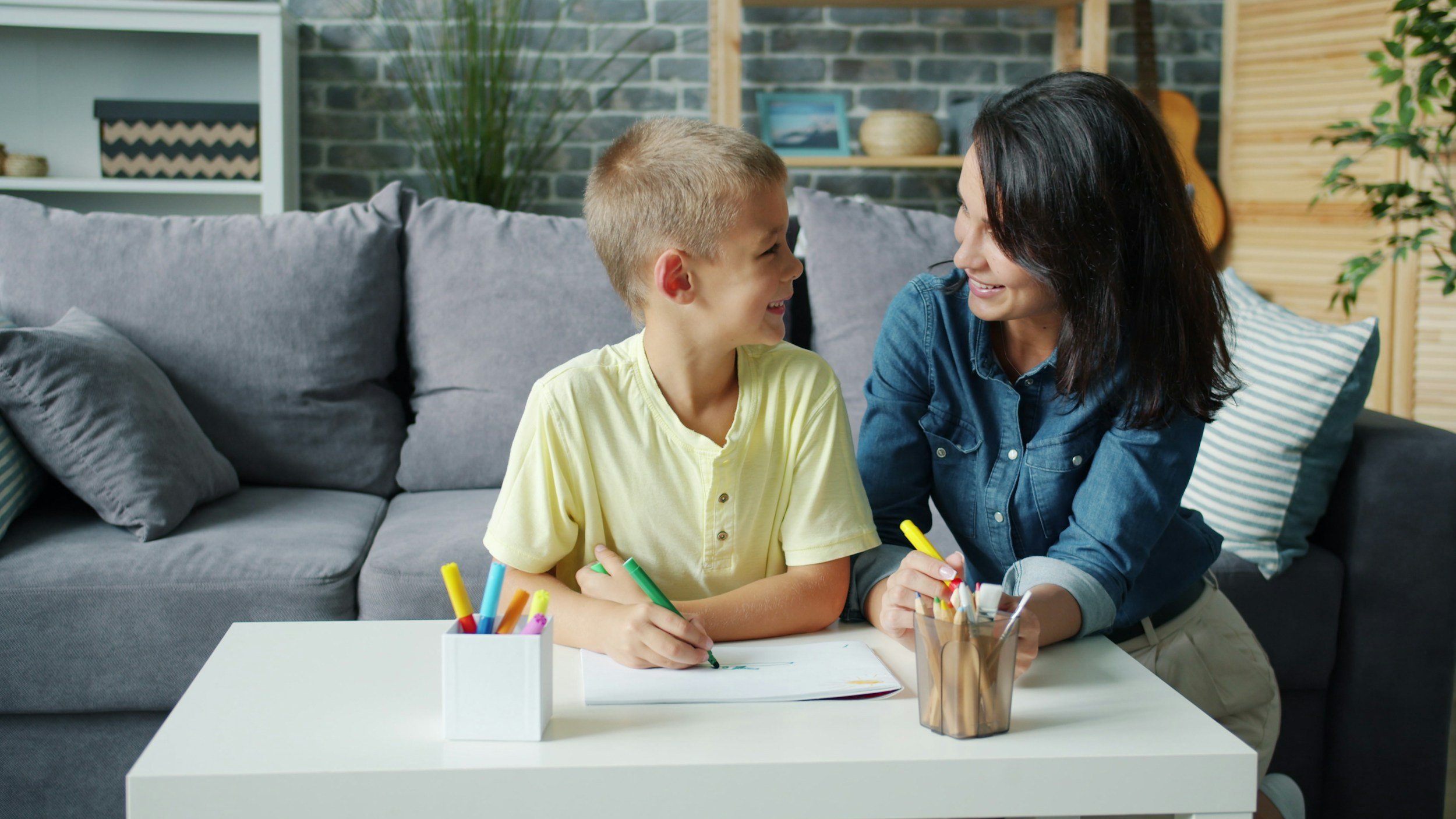
Parenting is full of wonderful moments, exciting milestones, and, at times, significant challenges. The elementary school years are a time when children are developing their identities, learning to navigate friendships, managing increasingly complex emotions, building independence, and figuring out how the world around them works.
For parents, this stage can bring just as many questions as it does milestones. Why does my child have such big reactions to seemingly small problems? How do I set limits without creating power struggles? What is the best way to respond when my child is anxious or worried? How can I help my child build confidence, develop friendships, and become more emotionally resilient?
A psychoeducational parenting group offers parents an opportunity to explore these questions, gain practical tools, and better understand the emotional and developmental needs of their children.

Whether your child is currently participating in therapy or has never received therapeutic support, a parenting group can be a valuable resource for strengthening your parenting skills and supporting your child’s social and emotional development.
How Can a Psychoeducational Parenting Group Help?
One of the greatest benefits of a psychoeducational parenting group is the opportunity to better understand the typical range of child development. During the ages of 5-10, children are experiencing tremendous growth in their emotional, cognitive, social, and behavioral development. However, skills like emotional regulation, impulse control, flexibility, and problem-solving are still developing.
Understanding what is developmentally appropriate can help parents look beyond challenging behaviors and consider what skills their child may still be learning. A parenting group can provide education and practical strategies to help parents navigate some of the most common challenges of this developmental stage, including:
Emotional dysregulation and big feelings: Understanding why children become overwhelmed and learning how to support emotional regulation, co-regulation, and healthy coping skills.
Connection and relationships: Strengthening the parent-child relationship through intentional connection, active listening, empathy, and repairing relationships after difficult moments.
Limit setting and boundaries: Learning how to establish clear, consistent, developmentally appropriate expectations while balancing warmth, understanding, and structure.
Anxiety and worry: Recognizing signs of childhood anxiety and learning how to respond to worries, reassurance-seeking, avoidance, and fears in ways that build confidence and resilience.
Self-esteem and confidence: Helping children develop a positive sense of self, tolerate mistakes, recognize their strengths, and build confidence through effort and growth rather than achievement alone.
Social-emotional skills: Supporting the development of empathy, communication, flexibility, problem-solving, impulse control, and healthy friendship skills.
Beyond learning specific strategies, parents have an opportunity to reflect on their own parenting approaches and better understand how their responses, expectations, an interactions influence their child’s emotional and behavioral development.
Does My Child Need to Be in Therapy for Me to Participate? Absolutely not!

You do not need to have a child in therapy to benefit from a psychoeducational parenting group. Whether your child is currently participating in individual therapy or you are simply looking to better understand your child and feel more confident in your parenting approach, a parenting group can be a valuable resource.
When a child is in individual therapy, parents play an important role in supporting their growth beyond the therapy room. While therapy provides children with an opportunity to work through emotional, behavioral, or social challenges, parents can help reinforce those skills in everyday situations.
A parenting group complements this process by helping caregivers better understand what their child may be experiencing and how to support their development at home. It can also help parents recognize that progress isn’t always linear. Children may demonstrate new skills in therapy but struggle to use them at home, at school, or during emotionally charged situations. Understanding this process can help parents respond with greater patience, empathy, and consistency.
At the same time, parenting groups are not just for families navigating existing challenges. They can also be an excellent form of proactive support for parents who want to better understand their children’s emotional and social development. Just as parents read parenting books or seek guidance around sleep and nutrition, learning about child development and strengthening parenting skills is another way to invest in your child’s well-being. A parenting group can be a valuable addition to a child’s broader support system or a helpful resource for families who simply want to be more intentional and informed in their parenting.
The Added Benefit of Learning Alongside Other Parents:
One of the most meaningful aspects of a parenting group is the opportunity to connect with other parents who are navigating similar experiences. Parenting can sometimes feel isolating, especially when your child’s behavior or emotional needs leave you questioning whether you’re doing the right thing.
A group setting provides an opportunity to hear different perspectives, recognize shared experiences, and learn from the questions and insights of other caregivers. Parents may discover that they are not alone in struggling with bedtime battles, emotional meltdowns, sibling conflict, school-related worries, or friendship challenges.
This sense of shared understanding can reduce feelings of isolation, normalize the challenges of parenting, and create a supportive environment for learning and growth.
Group learning also offers something else of value: the opportunity to pause, reflect, and be intentional about the kind of parent you want to be.

Investing in Your Parenting Journey
Parenting young children involves supporting a tremendous amount of growth. Children are learning how to understand their emotions, manage frustration, navigate relationships, develop confidence, and become increasingly independent.
Parents are learning, too!
If you’re looking for a space to build knowledge, develop practical skills, ask questions, and connect with others who understand the joys and challenges of raising young children, consider joining a parenting group today!
Join Our Parent Group This January
Thrive Counseling Kirkland is offering a 6-week, skills-based parent group led by Katie Jacques, M.Ed., LMHC. Each session includes a short teaching piece, hands-on practice, time to troubleshoot real situations together, and take-home tools to use that week.
By the end of the group, parents will be better able to:
Understand: what their child’s behavior may be communicating
Regulate: help their child move from overwhelmed to calm
Connect: strengthen the relationship, even when things are hard
Guide: set limits while staying connected
Support: recognize their child’s needs and leave with a plan for family wellness
Group Details
When: Tuesdays, 11:00 a.m.–12:15 p.m., January 5 – February 9, 2027 (6 sessions)
Where: Thrive Counseling Kirkland
Who: Parents and caregivers of children ages 5–10
Cost: $75 per session for one parent. A second parent from the same family is half price.
Group size: Up to 10 adults
Space is limited. If you’re interested, JOIN PARENTING GROUP INTEREST LIST and someone from Thrive Kirkland will reach out with next steps.